Take your tech knowledge dose and stay on top of everything tech related. From the history of robots to the main functions of the internet.

IMEI vs. ICCID vs. MEID vs. SEID Numbers: Meaning?
IMEI vs. ICCID vs. MEID vs. SEID Numbers: Meaning? (+ Facts)

These are four distinct serial numbers that you can find associated with most modern smart devices. Each is attached to a specific piece or set of hardware, and each is encoded into that hardware. Each has its own designated purpose and function, and you can find all four listed in the settings of your device.


Location Sharing: Stops When Phone Battery Dies?

Location Sharing: Stops When Phone Battery Dies? (Simple)

Location sharing definitively stops functioning if a phone has no power. Every method used to determine and transmit a phone’s location requires power in order to work. If you want to be completely certain that your phone’s location is a mystery, remove the battery.

Phone SIM in Tablet: Using Data Service?

Putting Phone’s SIM Card in Tablet: Using Data Service?

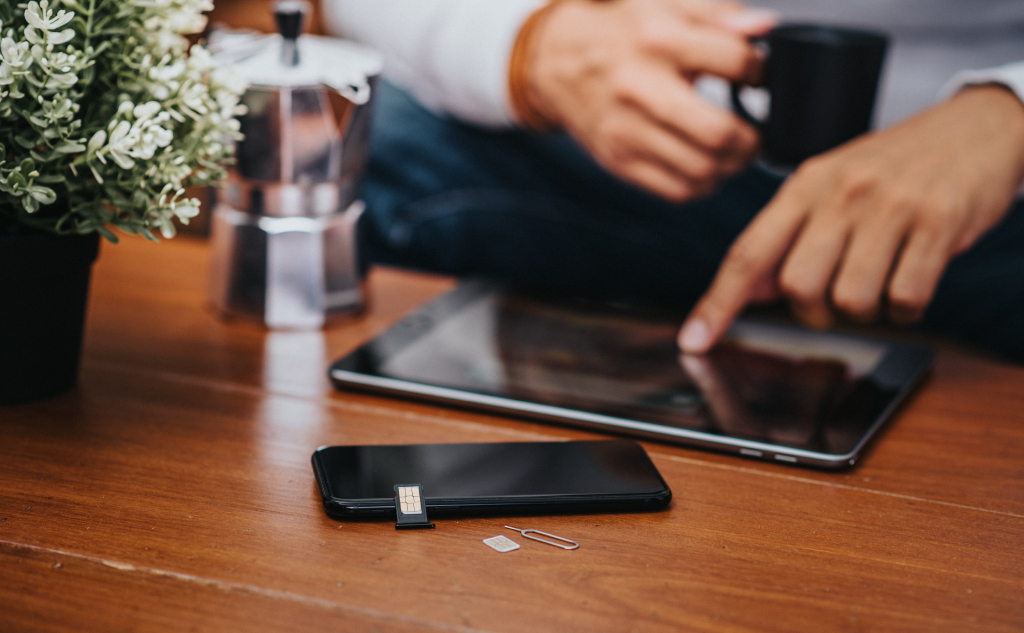
The short answer is maybe. SIM technology is virtually the same whether it is designed for a phone or a tablet, but a lot of carrier-induced restrictions do exist. If your SIM card meets four different criteria, then it can work fine on your phone or tablet, and you can swap the card between devices as you see fit.

One Click Rooting Apps: Safe for Android?

One-Click Rooting Apps: Safe for Android Phone? (like iRoot)

Rooting your device is never a perfectly safe process, as it specifically goes around safeguards built into the software. There are one-click apps that have very high success rates, but they all come with caveats and conditions. You are trusting them with absolute control over the device, which is always risky.

Drop Phone in Bath: Getting Electrocuted?

Drop Phone in Bath: Do You Get Electrocuted? (+ Vital Facts)

Here’s whether you get electrocuted if you drop your phone in the bath: In most cases, dropping a phone in a bath does not cause electrocution. That said, it is possible for deadly electrocution to occur.  More importantly, the danger is considerably higher if the phone is plugged into a wall outlet as opposed to … Read more

Changing SIM Card Without Turning Off Phone: Safe?

Changing SIM Card Without Turning Off Phone: Safe? (+ Facts)

Here’s whether you have to turn off your phone to change the SIM card: New phones typically do not require you to power them off when you change the phone.  Older models with a removable battery normally do require you to turn the phone off.  If you’re not sure about your particular model, you can … Read more

Shower Steam: Damages Phone?

Shower Steam: Damages Phone? (Everything to Know)

Yes, steam can damage your phone. Even if your phone is rated as waterproof or water-resistant, it is possible for steam to get past those protective layers and still cause damage. Waterproof phones are at less risk from steam, but repeated steam exposure can shorten the life of any phone.

Monitor USB Ports: Purpose?

USB Ports on Monitor: Purpose? (Everything to Know)

Here’s the purpose of USB ports on monitors: Primarily, these ports act as a built-in USB hub in your monitor. They allow you to connect additional peripherals, charge devices, connect media for playback and make it easier to set up your computer and workspace.  USB-C ports on a monitor offer even more functions. If you … Read more

TST on Credit Card Statement: Meaning?

TST on Credit Card Statement: Meaning? (All the Info)

Here’s what TST means on a credit card statement: So if you want to learn all about what TST is exactly, why they charge your credit card, and whether TST is safe, then you’re in the right place. Let’s get started! What is TST? f the letters “TST” appear on a credit card statement and … Read more

Billing Address: Must Match Name on Credit Card?

Billing Address: Must Match Name on Credit Card? (All Info)

Here’s whether the billing address must match the name on the credit card: Yes! In most cases, your billing name must exactly match the name on the credit card you use to make a purchase.  Spouses or other family members cannot use your card with just verbal authorization. So, check the name on the billing … Read more

Running Out of RAM on Your Computer: What Happens?

Running Out of RAM on Your Computer: What Happens? (+ Facts)

Here’s what happens when you run out of RAM on your computer: In general, your computer will run a lot slower. Applications are likely to freeze.  You might not be able to pull up new applications or navigate to already-open windows.  Sometimes, the problem can even cause your computer to crash. If you want to … Read more

2.4 GHz or 5 GHz Wi-Fi for Gaming: Which Is Better?

2.4 GHz or 5 GHz Wi-Fi for Gaming: What Is Better? (+ Facts)

Here’s whether a 2.4 GHz or 5 GHz Wi-Fi is better for gaming: Technically speaking, a 5 GHz connection should be faster in most scenarios. That said, there are enough variables at play that 2.4 GHz Wi-Fi can be the better choice. It comes down to connection speeds, interference, and range. If you want to … Read more

SIM Card Stolen: What Can Someone Do With Your SIM Card?

SIM Card Stolen: What Can Someone Do With Your SIM Card?

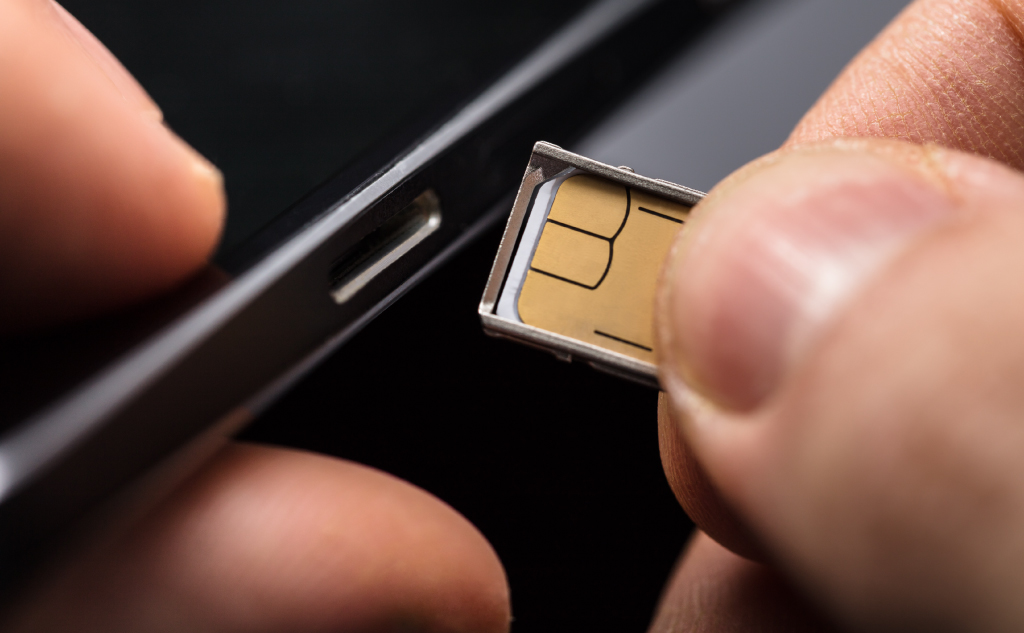
They can cause you a lot of problems. A stolen or hacked SIM card can be used to run up a phone bill, steal personal information, hack online accounts, steal your identity and even commit fraud. A stolen SIM card gives someone complete access to your phone line, which comes with many concerns.

Turning Phone Off During Update: What Happens?

Turning Phone Off During Update: What Happens? (Just Don't)

Well, you can’t exactly turn off a modern phone during an update. They have systems in place to prevent this. Those systems are around because interrupting an update can damage the software that runs the phone and render it inoperable.

Bill Not Paid, Phone Turned Off: What Happens to Texts?

Nonpayment Turned Off Cell Phone: What Happens to Texts?

That depends. Whenever cellular service is unavailable, cellular providers store texts and missed calls on their servers and forward them when the service is available again. However, how long they keep the texts and missed calls varies from company to company, usually between 3 days and 3 months.