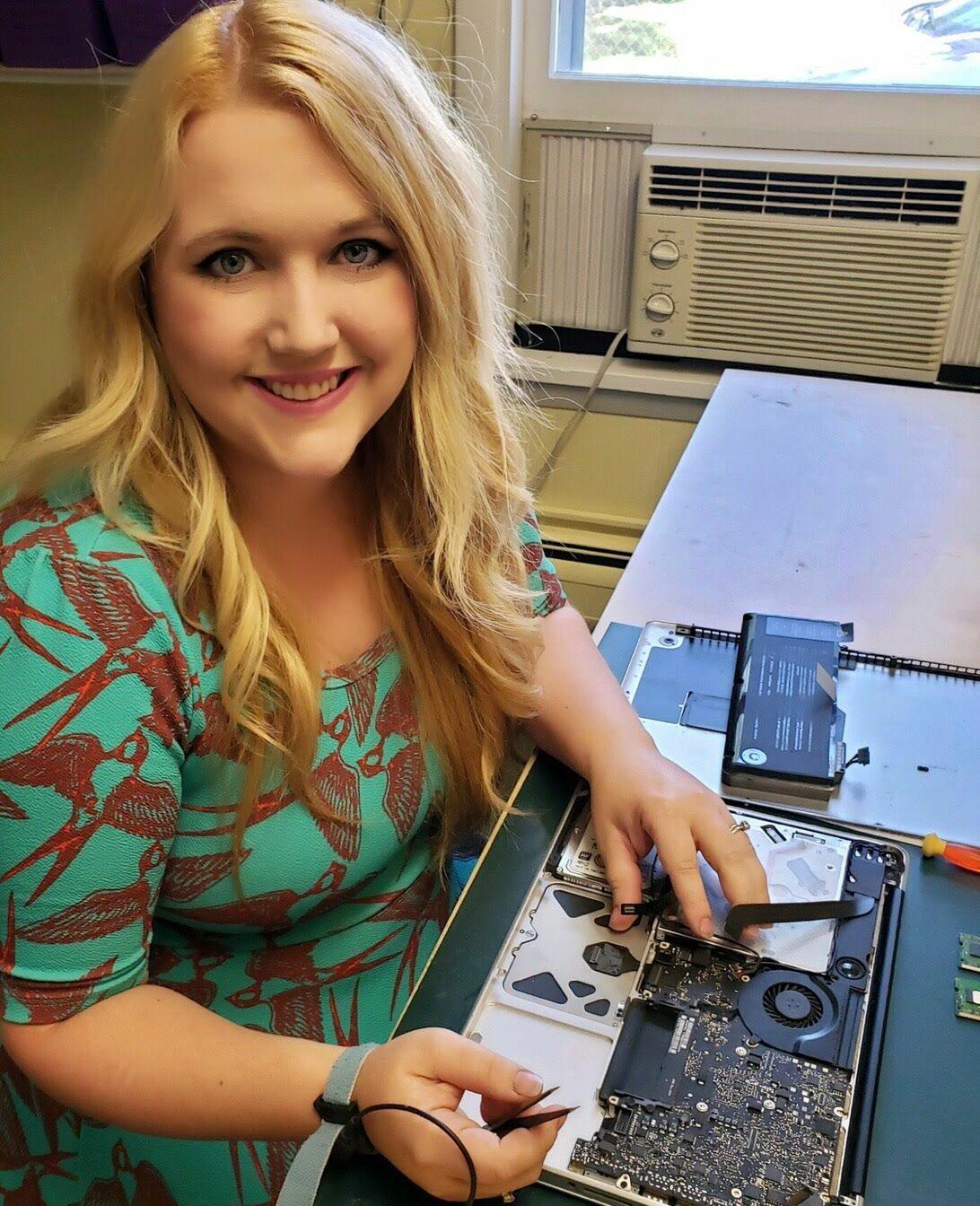
For years, CES felt like this mythical tech pilgrimage. The place where you go to see the future, come back inspired, and start dreaming bigger about what your business can become. This year, we finally did it. Tech Medic made it to CES 2026 in Las Vegas, and for me personally it was a long-term dream fulfilled.
And honestly, it was also a reminder of something I have learned after a decade in the repair and tech support world. The gap between a flashy demo and something people can actually buy, use, and rely on is often huge.
First impressions: AI everywhere, but not always in a meaningful way
If I had to sum up CES 2026 in one sentence, it would be: AI was the headline, and robots were the showpiece.
That tracks with what a lot of coverage said too. Multiple outlets described CES as packed with robots and AI companions, but with many of them feeling more like prototypes, gimmicks, or teleoperated demos than products ready for real homes.
As someone who spends my days helping real people solve real problems, I kept asking the same question while walking booth to booth: “When does this help someone next week?”
Sometimes the answer was clear. A new smart lock that actually improves reliability and interoperability in a smart home, great. A better health scale that makes tracking meaningful biomarkers easier, cool.
But a lot of the “AI everything” energy felt like a loop we have been in for a while now: announce it, demo it, hint at a release window, then move on.
Robots that fold laundry: exciting idea, rough reality
Let’s talk about the robots, because that was clearly the crowd magnet this year.
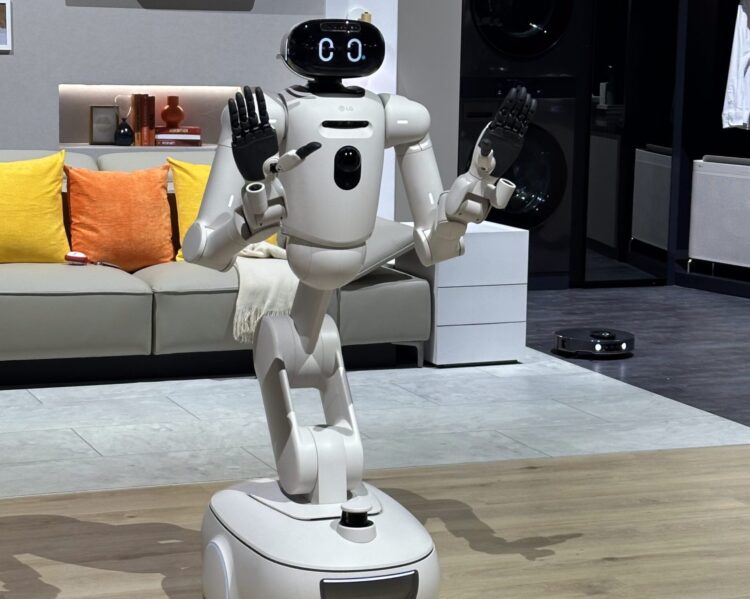
Laundry folding kept coming up, which is funny because it is such a universal pain point. If a robot could truly do laundry end to end, people would line up tomorrow. CES had plenty of “robots can do chores” messaging, including humanoid-style systems positioned as household helpers.
SwitchBot, for example, showed off its Onero H1 concept and positioned it as an “accessible” household robot that can help with tasks including laundry.
Here is the thing. The demos looked interesting, but not mind-blowing. A lot of it was “basic robot skills” that still feel fragile. Folding laundry, picking up objects, moving carefully around a staged space, these are hard problems. A number of reviewers pointed out that many CES robots struggled with consistency and practicality, and that the most impressive stuff was often clearly not fully autonomous. That matches what I felt walking the floor. I did not come away thinking, “Wow, every home will have one of these next year.” I came away thinking, “This will be useful down the road, but we are still early.”
The “not ready for prime time” theme was everywhere
One of my biggest takeaways was how often I could not find clear answers to the questions normal customers ask:
- How much will it cost?
- When can I buy it?
- What does setup look like in a normal home with kids, pets, and messy Wi-Fi?
- What happens when it breaks?
- Who supports it?
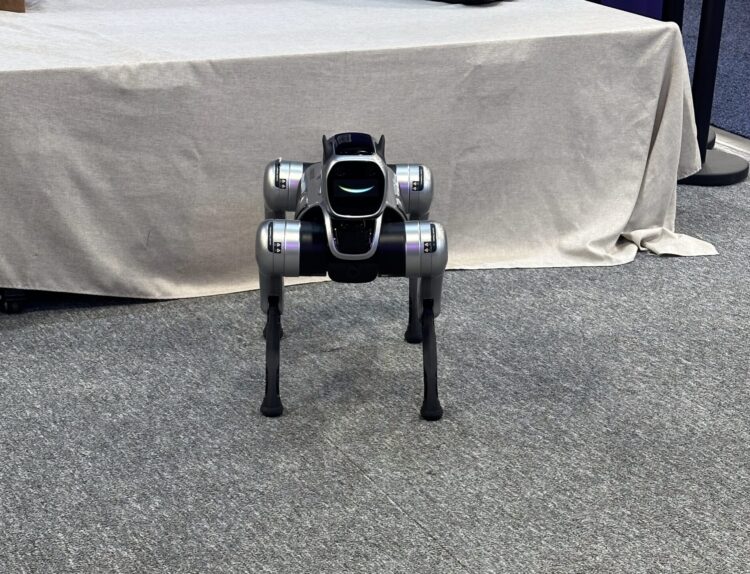
A surprising amount of CES tech still lives in the “promise phase.” Even the broader commentary about the show echoed that feeling, that CES was full of big ideas but short on realistic timelines and polished execution for everyday buyers. There is nothing wrong with prototypes. CES is partly about vision. But as an attendee, it made parts of the show feel like a bit of a yawn. Not because the technology is not impressive, but because it often felt like I was seeing versions of things we have already been hearing about, just repackaged with better marketing.
A quick reality check from the repair world
Running Tech Medic has a way of keeping you grounded.
We see what people actually use. We see what breaks. We see what features confuse customers. We see which “smart” devices become e-waste because the app is abandoned, or the company disappears, or the subscription model changes.
So when I see AI and robotics racing forward, I always think about the long game:
- Reliability matters more than novelty.
- Repairability matters, whether it is a phone, a laptop, or eventually a household robot.
- Clear product timelines and support matter more than hype.
CES 2026 did not always deliver that clarity.
The human-sized helicopter drone conversation
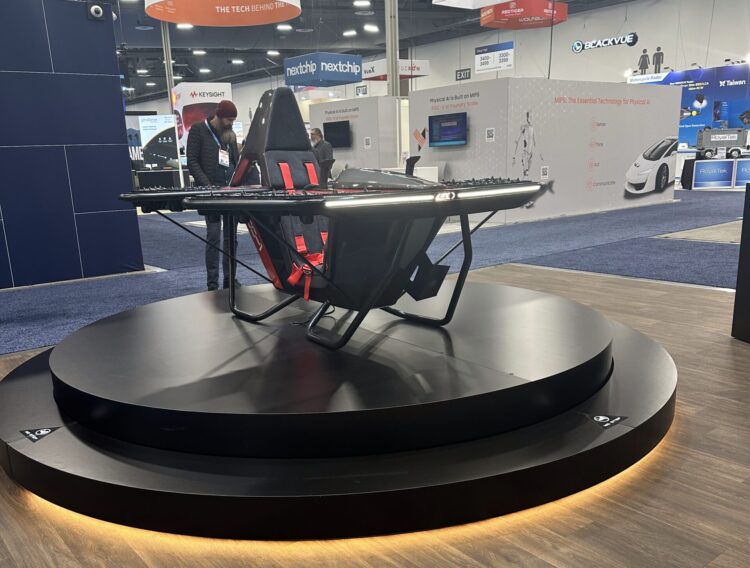
One of the more jaw-dropping categories on the floor was personal flight. There were human-sized “helicopter drone” style vehicles and ultralight eVTOL gadgets that looked like something out of science fiction.
Some of the marketing claims floating around were basically: you do not need a license. That immediately sparked debate for us, because my brother Tim is a licensed commercial pilot, and he disputed that heavily.
To be fair, there is a real regulatory concept that these companies lean on. In the U.S., FAA Part 103 covers ultralight vehicles, which can, under specific conditions, avoid certain certification and pilot licensing requirements. Some CES coverage explicitly referenced Part 103 in connection with at least one of these personal flying vehicles.
But “no pilot license required” is a marketing simplification that can hide a lot of important details:
- Weight limits and speed limits matter.
- Where you can fly matters.
- Local rules and safety constraints still matter.
- Practical training matters even if a license is not legally required.
So yes, you might see a booth claim it is “license-free,” but a pilot is going to look at the full picture and raise an eyebrow, and I think that skepticism is healthy.
What CES 2026 did give me: perspective and motivation
Even with my critiques, I am genuinely grateful we went. CES is overwhelming in the best and worst ways. It is crowded, noisy, and packed with marketing. But it is also energizing to be surrounded by builders and dreamers. And for Tech Medic, it was meaningful to finally show up in person as a company that has been in the trenches for years, fixing devices and helping our community stay connected.
The biggest “value” of CES for me was not one gadget. It was zooming out and seeing where the industry is actually pushing:
- AI is moving from “chatbots” to “physical AI,” meaning robots and devices that act in the real world.
- Robotics is getting more attention, but consumer-ready home robots are still not consistently there yet.
- A lot of innovation is happening behind the scenes in platforms, chips, and tools, which will matter more over time than the flashiest booth demo.
My prediction: useful robots will arrive, but not the way the demos suggest
If you are waiting for a humanoid robot to fold laundry perfectly and chat with you like a person, I think you will be waiting longer than the CES marketing makes it seem.
But if you are watching for robots that quietly do specific tasks, in specific environments, with clear support and clear ROI, those will keep showing up sooner. Warehouses, factories, healthcare support, logistics, even cleaning. Those are the “prime time” lanes.
And when the home versions finally arrive, they will need the boring things to be solved: reliability, safety, service, updates, and repair pathways. That is the future I am watching, and as Tech Medic, it is the future we will be ready for.